Peer-Reviewed
Publications
Adrian, C., Massey, S., Haager, J., & Lowinger, E. (2026). Sex-positive HIV prevention messages: A case study from the early years of the epidemic. American Journal of Public Health, 116(2).
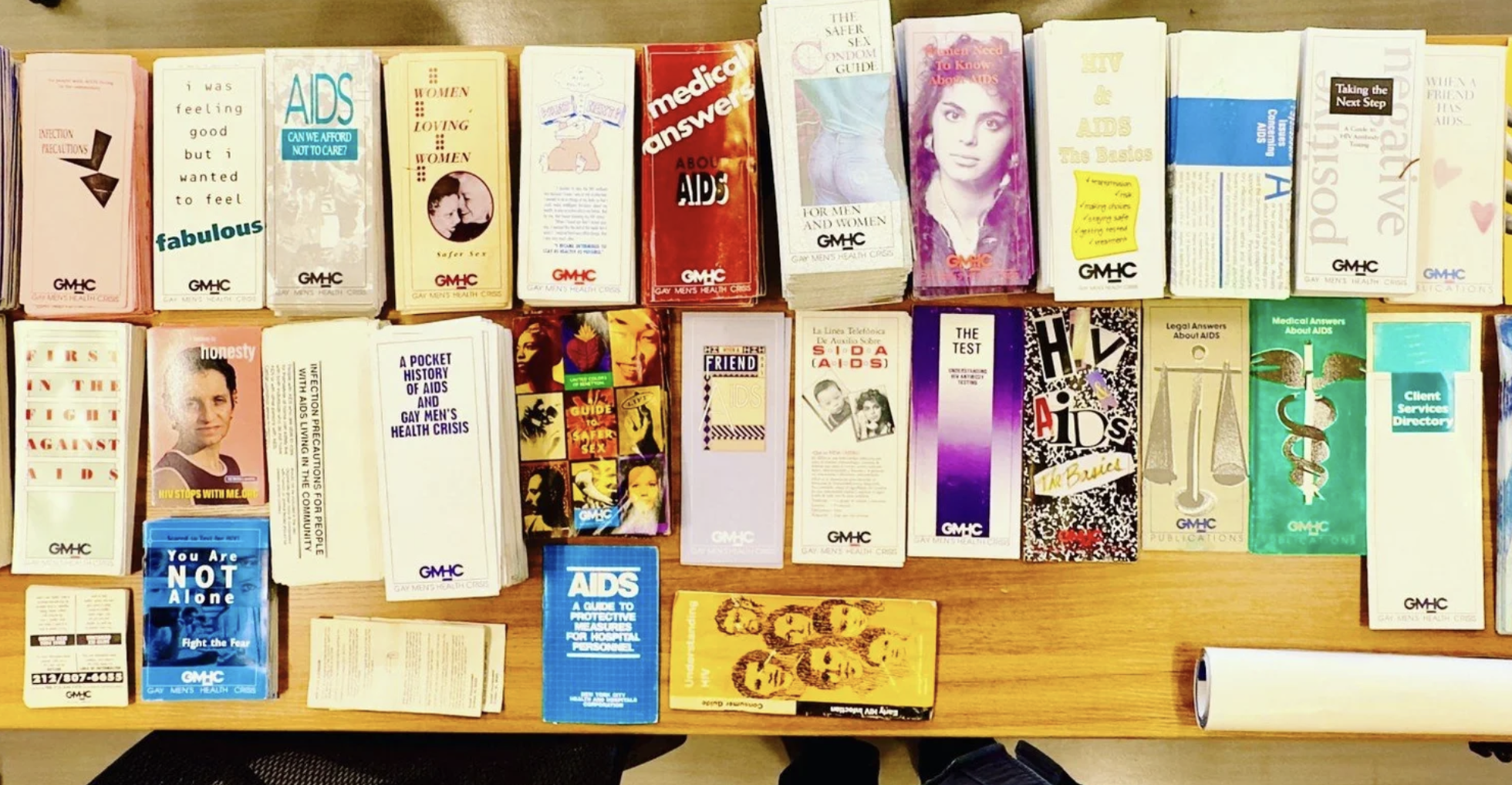
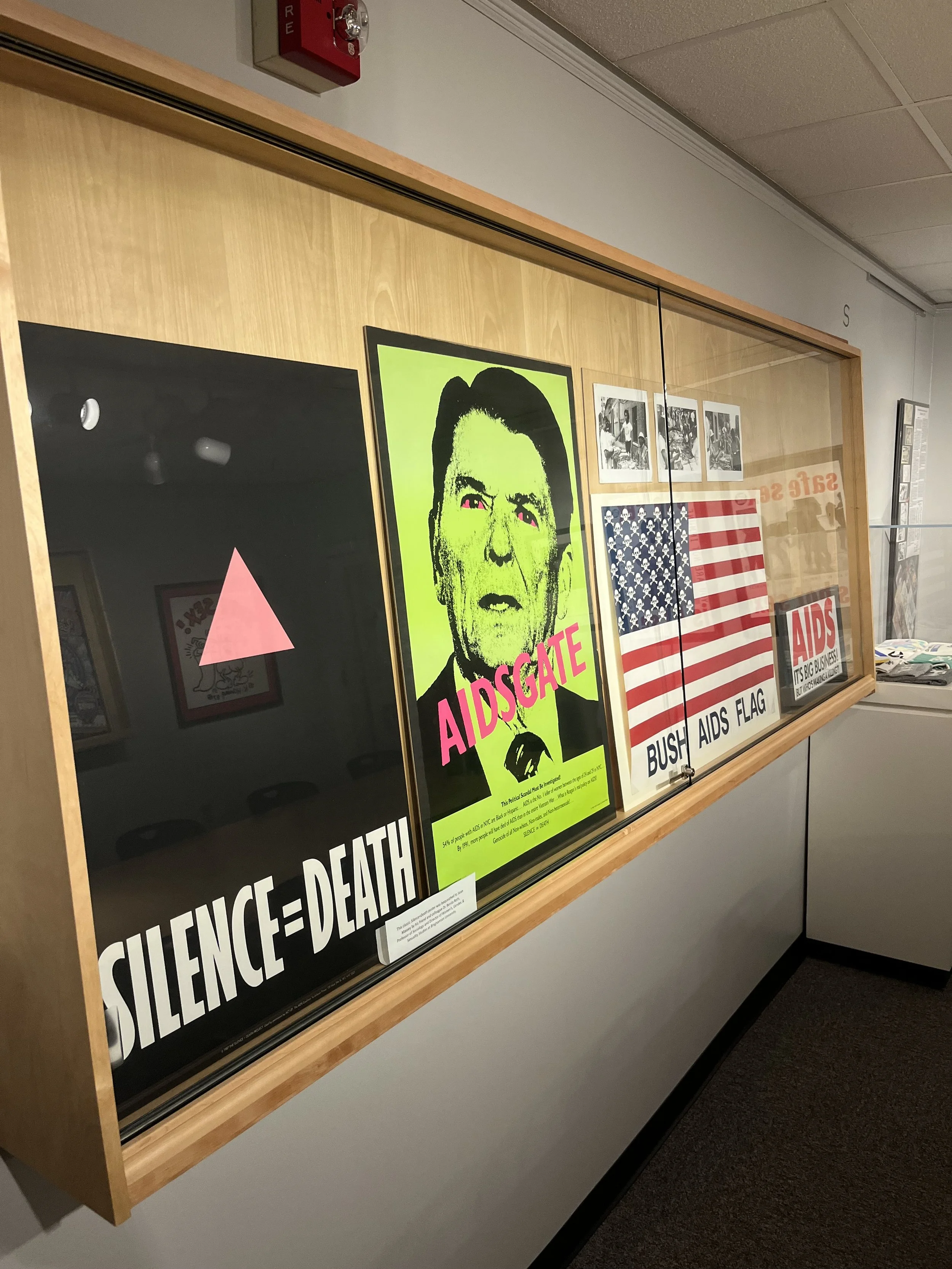
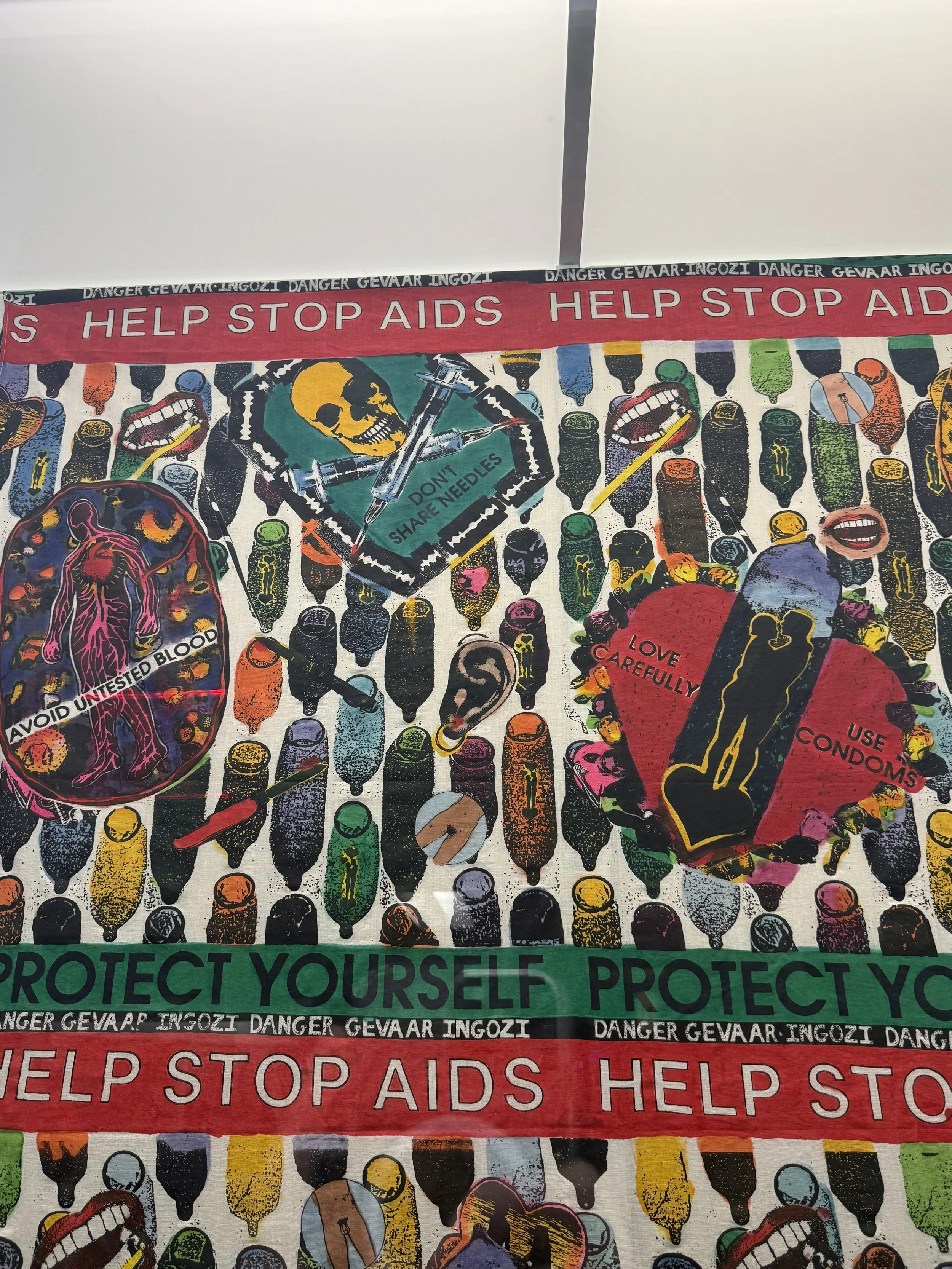
“Beginning with the emergence of the HIV/AIDS epidemic in the early 1980s, community-led lesbian, gay, bisexual, and transgender health organizations created prevention materials that affirmed and celebrated gay identity, positing safer sex as a radical method of keeping their communities healthy and liberated past the onset of the virus. Often prioritizing pleasure and featuring erotic imagery, these strengths-based prevention messages implied that community members shared a collective responsibility to care for each other and stop the spread of HIV.
Using archival public health materials from the early HIV/AIDS crisis and data collected through oral history interviews with former members of AIDS service organizations, this article explores the roles that gay liberation, community connectedness, and eroticism played in the first decade of HIV prevention messaging. As a case study, this article highlights the works created by GMHC (formally Gay Men’s Health Crisis), New York City’s premier AIDS service organization and a global leader in these campaigns.
Lastly, we note similarities between historic examples of sex-positive prevention messaging and those used by community health organizations and practitioners in the 21st century.”
Adrian, C., Massey, S., Haager, J., & Young, S. (2025). You folks are the ones that are going to carry on: Conducting cross-generational oral histories about the HIV/AIDS crisis. The Oral History Review, 52(1).
“Beginning in 2022, the Human Sexualities Research Lab at Binghamton University conducted more than one hundred oral history interviews with former staff and volunteers of Gay Men’s Health Crisis (GMHC), New York City’s premier HIV/AIDS service organization of the 1980s and 1990s. Led by project organizers Dr. Sean G. Massey and Dr. Julia B. Haager, these digital interviews were conducted in a small group setting, with three to five student research assistants present for each conversation. In this article, the authors reflect upon utilizing conversations about collective history to form intergenerational networks between cohorts of queer people, equipping a younger generation with consciousness about their community history while offering opportunities for reflection and storytelling to those who lived through the AIDS crisis during that time. Detailing the team’s interdisciplinary methodology, pedagogy, and contributions to the history of HIV/AIDS, this article also highlights the ways in which a virtual and group-led method was helpful in attending to the comfort of interviewees; coaching junior researchers; and bolstering sensitive, cross-generational conversations around topics that included emotional storytelling. The authors discuss the successes of the project, detail stories elicited through these conversations, and offer additional cautions and recommendations for teams interested in facilitating digital oral history interviews between multiple generations of queer people.”
Adrian, C., Shipe, S., & Guastaferro, K. (2024). HIV prevention in foster care youths: Time for a refocus. American Journal of Public Health, 114(11).
“Youths entering foster care have approximately the same rates of sexually transmitted infections as the general population of their peers. Yet once in foster care and after emancipation, foster youths face a risk of sexually transmitted infection that is three to 14 times that of their nonfoster peers. Indeed, during their time in the system, foster youths are disproportionately affected by HIV. This indicates that foster youths could uniquely benefit from biomedical methods of HIV prevention (e.g., preexposure prophylaxis [PrEP]), which, over the past decade, have become a cornerstone of prevention strategies. The shift toward biomedical approaches to HIV prevention offers a way to supplement existing behavioral strategies with medically effective interventions. If taken as directed, PrEP can reduce the risk of contracting HIV through sex by 99%. Yet as recently as 2021, data suggested that only 20% of people aged 16 to 24 years who could benefit from PrEP were prescribed the medication. And despite their disproportionate risk of HIV infection, virtually nothing is known about how or if adolescents in the foster care system are accessing PrEP.”

Curated Archives
GMHC stories collection. (2026). New York Public Library, Manuscripts and Archives Division. New York, NY.
Lead organizer: Sean Massey, PhD.
Also available at gmhcstories.com
A full list is available on my CV.
Please reach out for full-text copies!
caseyadr(at)umich.edu